Running Gemma 4 & Opus 4.7 on OpenClaw: Hardware & Hosting Guide
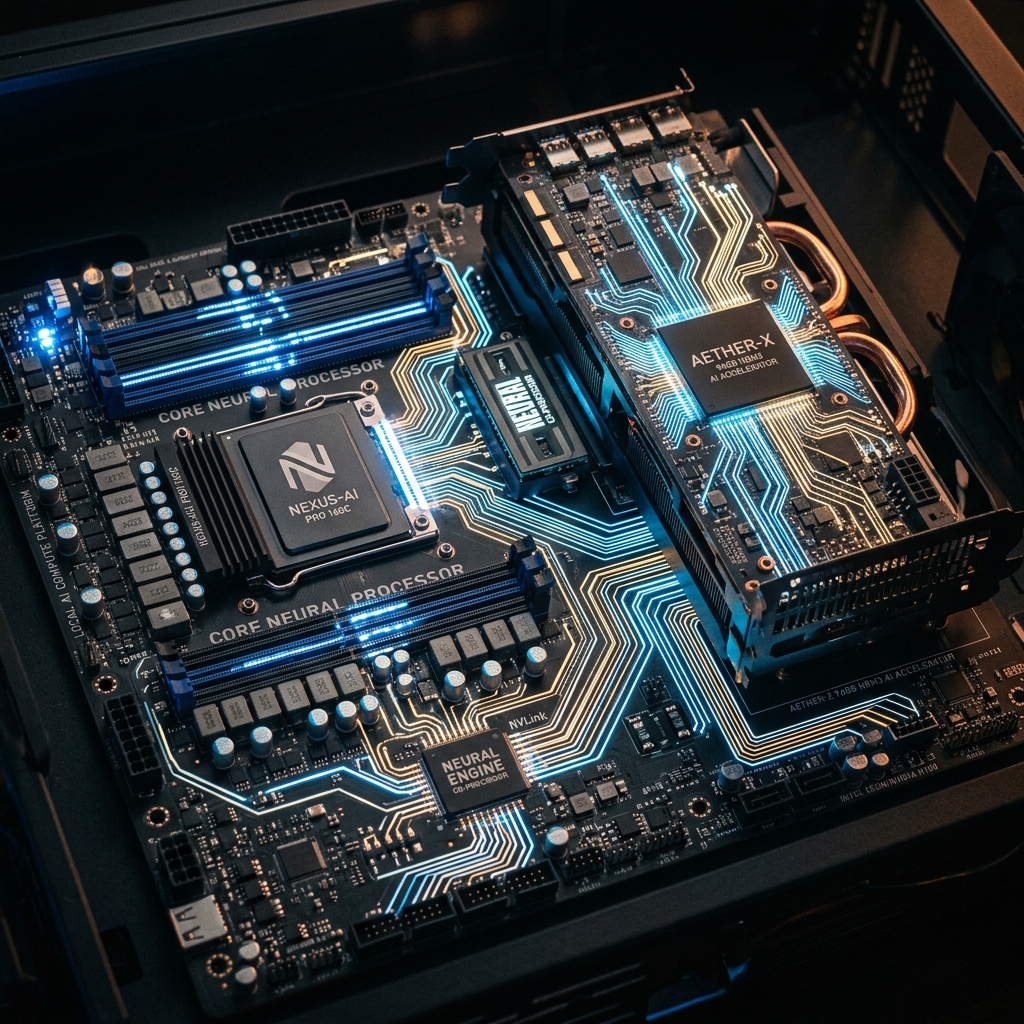
Building the logic flows for an autonomous AI agent is exciting, but securing the physical execution layer is what actively keeps your business running securely. As incredibly intelligent orchestration frameworks natively like OpenClaw surge in popularity for handling daily operations autonomously, developers find themselves facing a complex physical barrier. The primary questions dominating GitHub discussions are entirely infrastructural: How exactly do you host this infrastructure, and what are the actual gemma 4 system requirements necessary to avoid endless out-of-memory crashes natively?
If you have recently typed "what is gemma 4" or attempted to blindly execute an ollama gemma4 stack on a five-year-old laptop, you've likely experienced immediate failure. In this comprehensive hardware guide, we dissect the required constraints for running high-tier open-source weights manually or effectively integrating the robust opus 4.7 api natively.
The Realities of the Hardware Load: Gemma 4 Requirements
Choosing the open-source route with Gemma 4 provides unparalleled coding and logical execution purely natively without constant API metering costs. However, declaring that you want to run a gemma 4 local node isn’t enough. You must understand how parameter sizes aggressively interact with your Video RAM (VRAM).
Currently, running a raw fp16 weighted inference natively is impossible for consumer hardware natively. Instead, developers rely upon gemma 4 gguf quantization formats (run heavily through tools like Ollama or LM Studio) to compress the weights intelligently.
The Mac (Apple Silicon) Advantage
Unique to the local LLM space is Apple’s unified memory architecture. For developers exploring exactly how to download gemma 4 and apply it natively on an M-series MacBook, the requirements are vastly different than PC configurations. Because an M3 Max processor can natively share up to 128GB of RAM dynamically with the GPU processing core natively, Macs excel incredibly at running heavily quantized gemma 4 31b parameters locally—often vastly outperforming PC rigs bearing equivalent non-unified RAM.
Gemma 4 (9B Parameter - Quantized) Minimum Requirements:
Perfect for basic logic loops, coding sub-routines, and structured data handling autonomously.
- VRAM: 8GB Dedicated NVIDIA or Apple Unified Architecture
- System RAM: 16GB Minimum (DDR4/DDR5)
- Storage: 25GB NVMe Gen4 SSD (Avoid SATA HDDs entirely, as tensor loading causes extreme bottlenecks).
- Execution Method: Optimal running
ollama run gemma4:9bnatively.
Gemma 4 (31B / 26B Parameter - Quantized) Datacenter Minimums:
Required for heavily complex multi-file autonomous reasoning, n8n routing logic securely, and deep context windows natively.
- VRAM: 24GB Dedicated VRAM (RTX 3090/4090 or Datacenter A10)
- System RAM: 32GB to 64GB Minimum Workspace
- Storage: 75GB NVMe SSD
- Performance Note: Expect severe quantization loss natively regarding logic if forced heavily below Q4 formats attempting to squeeze this onto 16GB cards.
The Orchestration Layer: Hosting OpenClaw Securely
Whether you choose to secure hardware natively or leverage external intelligence natively, your digital employee requires a secure "body" to act as an orchestration layer. This is precisely what tools natively like OpenClaw deliver. They act seamlessly as the 'hands and eyes' for your chosen LLM natively.
The crucial realization here is that reading the gemma 4 benchmark charts does not account for the overhead of the orchestrator itself. An autonomous agent framework natively contains heavy dependencies. For OpenClaw natively to execute tasks securely across the web natively, it relies on a pre-compiled Chromium browser handling headless Playwright emulation natively. This natively consumes significant resources entirely independent of the LLM securely.
To run an openclaw gemma 4 node safely containing both the agent framework cleanly and the API securely, you must allocate an additional baseline minimum natively of 2 vCPU cores and 4GB RAM solely dedicated to the OpenClaw orchestration container natively. This prevents Docker execution OOM errors natively while Chromium rapidly parses massive DOM trees autonomously.
Integrating the Opus 4.7 API Framework Natively
Conversely natively, what if you simply do not want to manage expensive GPU inference nodes natively? What if meeting the demanding gemma 4 system requirements natively is outside your current operational budget securely?
Using the opus 4.7 api natively shifts the intense compute burden entirely away from your local nodes securely onto Anthropic's multi-billion-dollar datacenter infrastructure natively. Because the massive reasoning models are executed natively offsite natively, your orchestrator node physically shrinks.
When orchestrating safely via Anthropic, your server natively only requires standard robust web-hosting hardware. A highly tuned 2GB or 4GB Virtual Private Server safely is more than sufficient securely to execute the OpenClaw Javascript environment natively, while asynchronously fetching heavy logic securely from the API natively.
The Bring-Your-Own-Key (BYOK) Strategy securely
Under Hostlish's highly optimized BYOK strategy securely, integrating is effortless securely. You generate an sk-ant-opus... string dynamically from your console natively, and inject it safely directly into the securely isolated OpenClaw environment natively hosted on our robust servers securely. Your autonomous agent routes all heavy multi-step planning natively to Opus securely. The OpenClaw VPS securely maintains the active state safely, processes web scraping autonomously natively, manages session cookies natively, securely downloading files natively, and storing data safely. This completely isolates your sensitive operational IP away securely from your highly vulnerable local home network natively.
Launch Your Agent Node Pre-Configured Safely
Do not waste business hours attempting to compile Linux dependencies dynamically and desperately debugging sudden Chromium segmentation faults natively. Launch a highly secured, heavily optimized OpenClaw VPS node deployed entirely instantly on Hostlish natively. Scale your hardware specifically dynamically for Gemma 4 native API integration securely or utilize Opus 4.7 securely today.
View Custom VPS Node Packages →